Perineal Ice Packs: Cooling Comfort for Postpartum Recovery

A stack of perineal ice packs is one of the first things many new moms take home from the hospital, right alongside a peri bottle and pads. The days right after a vaginal birth can leave that whole area feeling tender, puffy, and easily irritated by pressure or fabric. A perineal ice pack, a slim cold pack wrapped in cloth, is one of the simplest ways to make that first stretch of days feel calmer. Whether birth involved stitches, a small tear, or no tearing at all, the area still tends to feel more sensitive than usual for a while. Nothing about it needs to be complicated.
Why Cold Feels So Comforting on Tender, Post-Birth Skin
Skin in this area works hard during delivery, and it is common for it to feel warm, heavy, and sensitive to touch in the days that follow. Cold changes that sensation almost right away. A cool temperature gives the skin something calmer to register than heat and pressure, and most moms notice the difference within a minute or two.
It is the same instinct behind holding something cool against tired, puffy-looking eyes after a rough night. Cold calms the surface fast, and post-birth skin responds to it just as readily as anywhere else on the body.
Everyone's timeline is a little different, but for most new moms that sensitivity is highest in the first two to three days and eases gradually after that. A cold pack will not change that timeline, but it can make each of those early days feel a little more comfortable while the body does its own thing.
When New Moms Typically Reach for One
Most birthing hospitals send new moms home with a perineal ice pack in hand, often tucked into a comfort kit next to a peri bottle and witch hazel pads. Kaiser Permanente lists cold compresses and cooling pads alongside witch hazel pads and warm sitz baths as standard comfort measures for the first days after delivery. Those first few days tend to be when the area feels most sensitive, which is exactly when a cold pack tends to feel best.
How to Use a Perineal Ice Pack Comfortably and Safely
A perineal ice pack works best, and feels best, when it is used the right way.
- Add a cloth barrier. Wrap the pack in a clean, slightly damp cloth before it touches skin, the same way any cold pack should never touch skin directly.
- Keep sessions short. Guidance from NHS Forth Valley points to roughly ten to fifteen minutes at a time, not longer.
- Give skin a break in between. Let the area return to a normal temperature before applying cold again.
- Rinse and pat, don't wipe. Cleveland Clinic recommends rinsing the area front to back with warm water after using the bathroom, then patting dry rather than wiping.
- Use it while resting. Sit or lie down with the pack in place instead of trying to move around with it.
- Watch how skin responds. If the area ever feels numb, oddly discolored, or more uncomfortable rather than less, stop and check with a provider.
Every new mom's situation is a little different, especially with stitches, tearing, or an episiotomy involved. Check with your OB-GYN, midwife, or nurse about what's right for you, and follow their guidance over general tips like these.
What Else Helps Alongside a Cold Pack
A cold pack rarely works alone. Most hospitals send new moms home with a peri bottle for rinsing after using the bathroom, and it is worth using every time. NHS guidance recommends pouring warm water over the area while urinating to ease stinging, along with loose, breathable cotton underwear instead of anything tight. Sitz baths, a few inches of warm water covering just the hips and seat, are another common comfort step once the first day or two has passed. Changing pads every few hours keeps the area clean and dry, which makes everything else feel more comfortable too. None of these steps need to happen perfectly. They just add up.
The Case for Reusable, No-Refrigeration Cooling
Crushed ice in a sandwich bag or a maternity pad frozen ahead of time works well enough, and plenty of new moms make do with exactly that. It is also inconvenient. Homemade versions leak as they thaw, take up freezer space, and are rarely ready to go at three in the morning when they are actually needed.
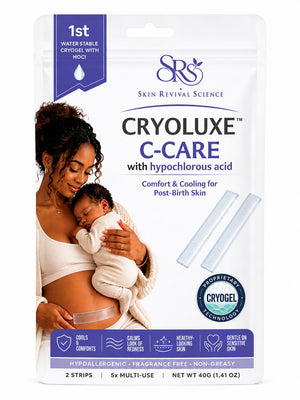
That is the appeal of a purpose built, reusable cooling pad designed to stay flexible and skin conforming without a freezer in sight. Many moms already keep a reusable pad on hand for cooling comfort between nursing sessions. A perineal version works the same way, just shaped for a different need. A quick rinse under cool water after each use, then back into its own pouch, is usually all the upkeep a reusable pad needs. Dropped into a hospital bag or left on a nightstand, a pad that never needs a freezer is ready the moment it is needed.
Making Comfort Part of Those First Days
A perineal ice pack does not need to be complicated. Keep one within reach, protect skin with a cloth barrier, and take a few quiet minutes whenever that area feels tender or tight. Whether that is a frozen maternity pad from the freezer or a reusable cryogel pad built for the job, the goal is the same: skin that feels calmer, faster.
Reusable, water-stable cryogel pads are made for exactly this kind of cooling comfort. They stay flexible and skin-conforming, rinse clean under cool water, and are ready to use again without a freezer, so a few calm, cool minutes are never more than an arm's reach away.
For now, a slim ice pack from the hospital bag or the freezer is enough to make those first tender days a little easier.
Frequently Asked Questions
How long should a perineal ice pack stay on at a time?
Most guidance points to roughly ten to fifteen minutes per session, with a clean cloth between the pack and skin. Longer is not better, since prolonged cold can feel harsh rather than soothing. Many new moms repeat this a few times a day during the first week, giving skin a break in between.
Do I need a cloth barrier between the ice pack and my skin?
Yes, always. NHS guidance recommends wrapping an ice pack in a clean, damp cloth before it touches skin, since direct ice contact can feel harsh rather than calming. A soft barrier, like a folded washcloth or the pack's built in cover, keeps the cold comfortable instead of uncomfortable.
Do hospitals give you ice packs after birth?
Most do. Many birthing hospitals send new moms home with a few perineal ice packs, often tucked into a comfort kit beside a peri bottle and witch hazel pads. Kaiser Permanente lists cold compresses and cooling pads among the standard comfort measures offered in the first days after birth.
Can I make a perineal cold pack at home?
Yes. A common method is running a maternity pad under water, folding it into a slight curve, and freezing it, then wrapping it in a cloth before use. Reusable cryogel pads work the same way without a freezer, which some moms prefer for convenience once they are home.