Moisturizing Stretch-Mark-Prone Skin: What Helps Its Look

Stretch marks show up during pregnancy, growth spurts, sudden weight changes, and plenty of other ordinary life stages. If you are searching for a good moisturizer for stretch marks, the honest starting point is not a product name. It is understanding what moisturizing can actually do for skin that is stretching, and what it cannot.
This is not another piece arguing about whether a cream can stop stretch marks from forming. We covered that question directly in Caring for the Look of Stretch Marks in Pregnancy: What the Options Are. The short version: no topical product has been reliably shown to prevent them. This piece is about something moisturizing genuinely can do: support how stretching skin feels and looks day to day. That holds true no matter what is causing the stretch, whether it is a pregnancy, a growth spurt, or a season of weight change.
What a Good Moisturizer for Stretch-Mark-Prone Skin Actually Does
Skin that is stretching quickly, across a growing belly, a bulking shoulder, or a changing thigh, often feels tight, dry, and itchy before any mark ever appears. That sensation is real, and it is the part a good moisturizer for stretch marks can genuinely help with.
A rich, consistent moisturizing routine supports comfort and the look and feel of healthy, hydrated skin. It does not change whether marks form or how deep they run. What it changes is how your skin feels while it stretches, and whether it looks calm, supple, and cared for in the meantime. That is worth choosing a product for, even without a bigger promise attached.
Dry, poorly hydrated skin tends to feel tighter and more irritated as it stretches, simply because it has less water in the outer layer to begin with. Keeping that outer layer well hydrated is a comfort measure, not a structural one. It will not strengthen the deeper skin layers where marks actually form, but it can make the day-to-day experience of stretching skin noticeably more comfortable.
Humectants, Emollients, and Occlusives: The Three Jobs a Moisturizer Does
Most moisturizers lean on three ingredient categories, and knowing the difference helps you shop by function instead of marketing copy.
- Humectants, like glycerin and hyaluronic acid, are water-loving ingredients that draw moisture into the skin's outer layer. The British Association of Dermatologists describes this water-holding job as central to keeping skin from drying out.
- Emollients, such as plant oils and shea or cocoa butter, soften and smooth skin by filling in the tiny gaps between skin cells. DermNet NZ notes that emollients work by filling cracks in the skin's outermost layer, which is what leaves skin feeling smooth rather than rough.
- Occlusives, heavier ingredients like shea butter blends or petroleum-based balms, sit on top of skin and slow down water loss so the hydration underneath sticks around longer.
A well-formulated body moisturizer usually blends all three, rather than leaning on just one.
Textures and Ingredient Families Worth Looking For
Since no ingredient list guarantees anything about how marks look later, choose based on texture, comfort, and what you will actually use every day.
- Lightweight lotions. Higher water content, humectant-forward, and quick to absorb. A good fit if you want to apply twice a day without feeling greasy under clothes.
- Richer creams. A thicker balance of emollients and occlusives that suits very dry or tight-feeling skin, especially over a fast-stretching area like a belly or thigh.
- Body oils and butters. Emollient- and occlusive-heavy, good for sealing in a lotion applied underneath, or for skin that tolerates a heavier finish.
Fragrance-free formulas are worth prioritizing across all three textures, since added fragrance is a common irritant on skin that is already stretched taut and more reactive than usual.
How and When to Apply Moisturizer for the Best Result
Timing matters almost as much as the product itself. Dermatology sources note that leave-on moisturizers work best when applied right after bathing, while water that has entered the skin is still there to be locked in. Pat skin mostly dry rather than fully dry, then apply while it is still a little damp.
Beyond timing, consistency is the real driver of comfort. A daily habit you keep up matters more than an occasional heavy application. Smooth the product on generously over the whole stretching area, not just the spots where marks have already appeared, and reapply as skin feels tight again through the day.
If you are pregnant, the same label-reading habit is worth carrying over to choosing a gentle cleanser, or anything else that touches your skin daily during this stretch.
What Moisturizing Honestly Cannot Do
A good moisturizer for stretch marks earns its keep on comfort and skin feel, not on promises about the marks themselves. It will not change whether they form, and it will not make existing ones disappear. Massaging in a rich cream can feel good and become a grounding daily ritual, but the ritual is the benefit, not a guarantee about how your skin will look afterward.
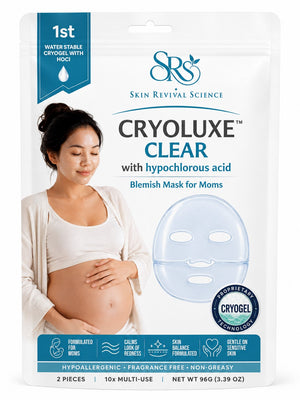
Cryoluxe does not make a stretch mark or body moisturizer. The same standard runs through the whole line: fragrance-free formulas built for sensitive skin, with nothing hidden behind a bold claim. Cosmetic products like these comfort, hydrate, and support the way skin looks and feels. They are not intended to diagnose, treat, cure, or prevent any condition, stretch marks included.
What This Means for You
The best moisturizer for stretch-mark-prone skin is the one that fits into a routine you will actually keep. Pick a texture you enjoy using, check that it is fragrance-free, and apply it consistently while skin is still damp from the shower.
Judge it by how your skin feels, not by a bold promise on the label about the marks themselves. Comfort and a calmer, hydrated look are real, honest reasons to keep moisturizing. They are just not the same thing as changing the marks underneath.
Frequently Asked Questions
Can I use moisturizer for stretch marks?
Yes. Moisturizing supports comfort and the look and feel of hydrated skin, which genuinely helps on skin that is stretching. It will not erase existing marks or stop new ones from forming. Think of it as a comfort habit worth keeping, not a way to erase the marks themselves.
What is the best moisturizer for stretch marks?
There is no single winning bottle. Judge a moisturizer by criteria instead: a texture you will use daily, a fragrance-free formula, and a generous blend of emollients and humectants for stretching skin. The best pick is the one that actually stays in your routine, not the boldest label claim.
When should I apply moisturizer for the best result?
Right after bathing, while skin is still a little damp, tends to work best. That timing helps trap water already in the skin instead of starting from dry. Reapply through the day as stretching skin starts to feel tight again, since consistency matters more than any single application.
Do oils work better than creams for stretch-mark-prone skin?
Not inherently. Oils and butters lean occlusive and emollient, which suits very dry or tight-feeling skin, while lighter creams and lotions absorb faster for daytime wear. Neither texture changes how marks look. Pick whichever one you will actually apply consistently, since that habit matters more than the format.