Nursing Camisoles: Comfortable Layers for the Early Weeks

It is 5 a.m., the baby is stirring, and you need to be dressed and feeding within the next minute. This is where a nursing camisole earns its keep. A nursing camisole is a soft, fitted layer with clip-down or crossover panels. It gives you one-handed access to feed, without pulling off a top or fighting buttons in the dark. When feeds happen every two to three hours, it can end up the most practical thing in your dresser.
What a Nursing Camisole Actually Is
A nursing camisole looks like an ordinary fitted tank from the outside. The difference sits in the panels. Most styles use one of two openings: a clip-down panel that unhooks at the shoulder strap, or a crossover, wrap-style front that pulls to one side. Either way, the goal is the same. You uncover just enough skin to feed, without lifting the whole camisole over your head or undoing a full row of buttons.
Many nursing camisoles also build in light support, similar to a soft shelf bra sewn into the lining. That is not the same as a true nursing bra. It is enough structure for lounging at home, sleeping, or layering under a sweater when you do not want a separate bra underneath.
Why Moms Reach for One in the Early Weeks
The early weeks bring a specific set of problems a nursing camisole solves well. Feeds are frequent, sleep is fragmented, and getting fully dressed between them is not always realistic.
A camisole works as a base layer you can leave on under a sweater, robe, or looser top, so you are never fully undressing to feed. That matters at 2 a.m. as much as it does with visitors in the living room.
It also adds warmth across the back and belly during night feeds, when a nursery is cool and you are sitting still for twenty minutes at a time. The snug fit keeps a nursing pad in place against the skin instead of sliding around inside a looser top. It also gives you one more soft layer against skin that can feel tender or full between feeds.
What to Look For in a Nursing Camisole
Not every camisole marketed for nursing is worth buying twice. A few features make the difference between one you reach for daily and one that ends up at the back of a drawer.
- Snug, never tight. The camisole should hold its shape without pressing hard anywhere across the chest. La Leche League advises letting comfort be the guide and avoiding anything that feels overly tight in the early weeks. If a camisole leaves marks or feels restrictive by the end of the day, size up.
- Breathable fabric. Cotton and bamboo blends move heat and moisture away from skin better than synthetic knits, which is why the Australian Breastfeeding Association recommends soft, breathable fabrics for nursing wear. That matters more than it sounds. Skin that stays damp under fabric all day is more likely to feel irritated, a pattern covered in more detail in Itchy Breasts While Nursing.
- Clips you can work in the dark. Test the closure with one hand before you buy, ideally without looking at it. A clip that needs two hands or good lighting will not hold up at a 3 a.m. feed.
- Enough length to cover the belly. A camisole that rides up when you sit or reach leaves a gap of exposed skin between it and your waistband. Look for extra length built into the hem, not just a standard tank cut.
- Easy-wash durability. Between milk, spit-up, and everyday wear, a nursing camisole gets washed far more often than a regular top. Fabric that holds its shape and resists pilling saves you from replacing it every few weeks.
Anything that fits too tight across the chest is worth avoiding altogether. Uncomfortable pressure on full-feeling skin is generally discouraged in the early weeks, so when in doubt, size up rather than down.
Nursing Cami vs. Nursing Bra vs. Sleep Bra
These three overlap, but each one tends to earn its place at a different moment in the day.
| Layer | Best For | Trade-off |
|---|---|---|
| Nursing camisole | Layering under clothes, holding a pad in place, quick one-handed access at home | Light support only, not built for real lift |
| Nursing bra | All-day wear, more structured support, worn under fitted tops | Slower to open one-handed than most camisoles |
| Sleep bra | Overnight wear, soft and unstructured, minimal pressure while lying down | Not enough support for daytime activity |
A nursing camisole tends to win for early mornings, quick changes, and days spent mostly at home. A nursing bra earns its place once you are back in more fitted clothing and want real support underneath. A sleep bra is worth adding if lying on your side feels uncomfortable overnight, or you want a barrier for a leaking pad while you sleep.
Plenty of moms end up owning all three and rotating based on the day, rather than picking just one and sticking with it.
How Many Nursing Camisoles Should You Own?
Three to four is a realistic starting number for most moms. That covers one to wear, one in the wash, and a spare for the days laundry does not happen on schedule.
Buy one or two first, wear them for a week, and see how the fit and fabric actually hold up before committing to more. Sizing can shift in the first few weeks as your body settles, so a small initial batch beats a full wardrobe bought in advance. Add more only once you know which features you actually reach for.
Where a Little Extra Coolness Fits In
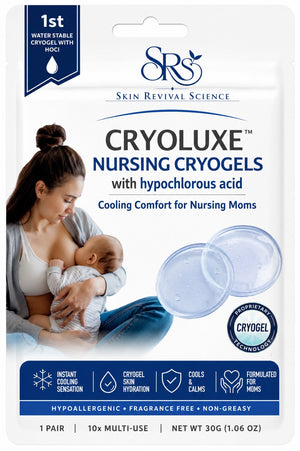
A camisole is one of the layers that sits closest to skin, which is exactly where skin can feel warm or sore-feeling by the end of a long day. Cryoluxe's Nursing Cryogels are a separate, adjacent step worth knowing about. Each pad is a reusable, water-stable cryogel you can tuck under a camisole or bra for a few minutes of cooling comfort between feeds. Cooling comfort starts on contact.
Cryoluxe products are cosmetics, designed to cool, comfort, hydrate, and support the look and feel of healthy skin. They are not intended to diagnose, treat, cure, or prevent any condition.
Getting Dressed Without the Guesswork
A good nursing camisole is a small purchase that solves a real problem: getting dressed and feeding a baby without adding stress to either. Look for a snug, never-tight fit, breathable fabric, and a clip you can work without looking at it, and most other decisions fall into place.
If you are still building out your first-weeks wardrobe, a camisole is worth adding to a broader breastfeeding essentials checklist rather than buying in isolation. Start small, see what you actually reach for, and build from there.
Frequently Asked Questions
Do I need a nursing camisole?
No, nothing about breastfeeding requires one. A camisole earns its place by making one-handed access faster and holding a pad in place, which matters most in the sleep-deprived early weeks. Some moms skip camisoles entirely and wear looser tops instead.
What is the difference between a nursing camisole and a nursing bra?
A nursing camisole is a full layer with a built-in shelf bra, worn instead of a separate top and bra. A nursing bra is worn under other clothing and offers more structured support. Camisoles tend to open faster one-handed, while bras tend to hold their shape longer through the day.
How do nursing camisole clips work?
Most use a clip-down panel at the shoulder strap that releases with one hand, or a crossover front that pulls to one side. Either style uncovers just enough skin to feed without removing the whole camisole. Practicing the clip before your baby arrives makes it feel automatic later.
How many nursing camisoles do I actually need?
Three to four is enough for most moms: one to wear, one in the wash, and a spare. Buy one or two first and see how the fit holds up before committing to a full wardrobe, since sizing often shifts in the first few weeks.